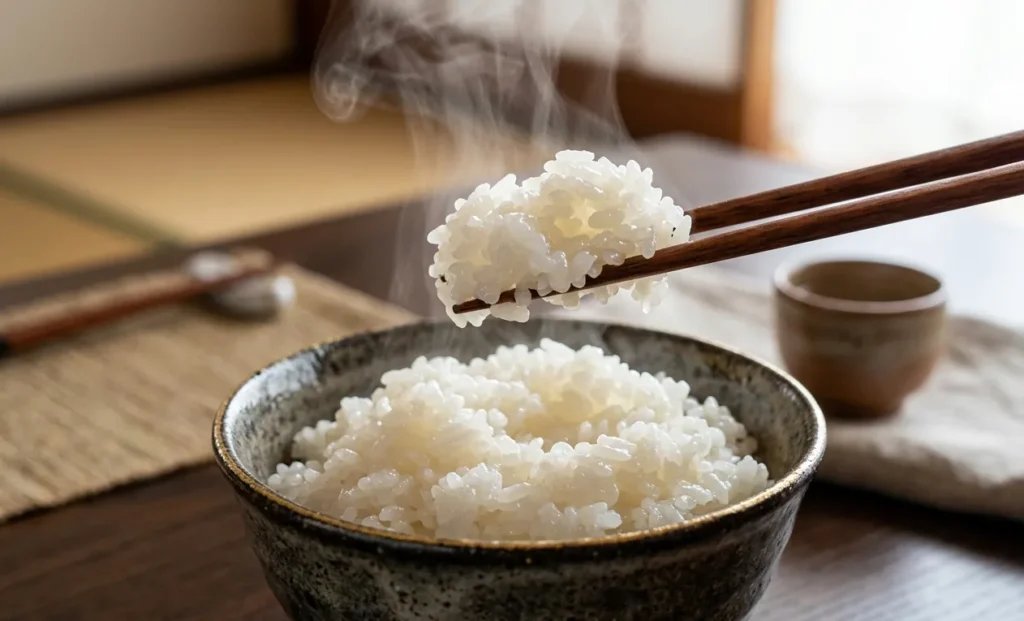
What is Japanese Rice?
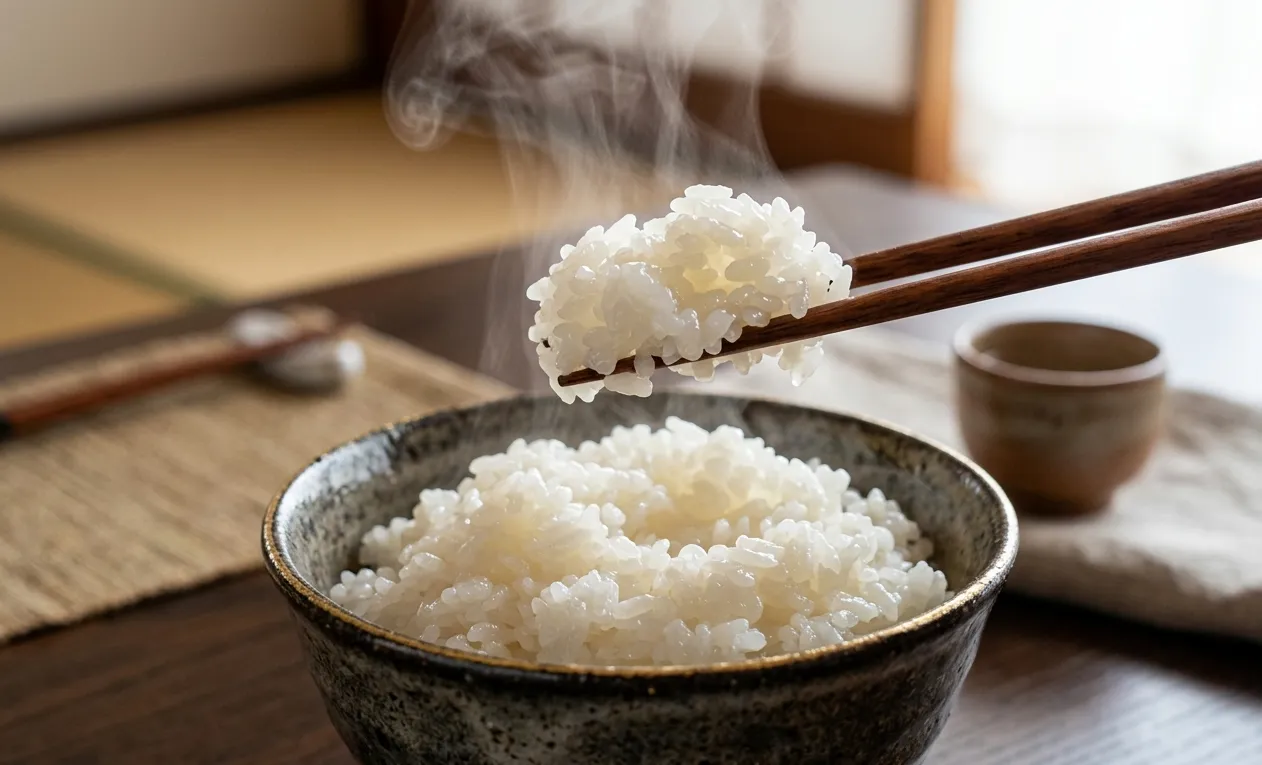
Japanese rice, often referred to as Japonica rice, is known for its slightly sticky texture, subtle sweetness, and glossy appearance when cooked. Unlike long-grain rice varieties commonly found in other parts of the world, Japanese rice is designed to be enjoyed with chopsticks and to complement a wide range of dishes—from delicate sushi to hearty rice bowls.
Its defining characteristics are:
Soft and slightly sticky texture- Natural sweetness
- A balance between moisture and firmness
These qualities make Japanese rice not just a side dish, but the centerpiece of the meal.
Japanese-Grown Rice vs Overseas-Grown Japanese Rice
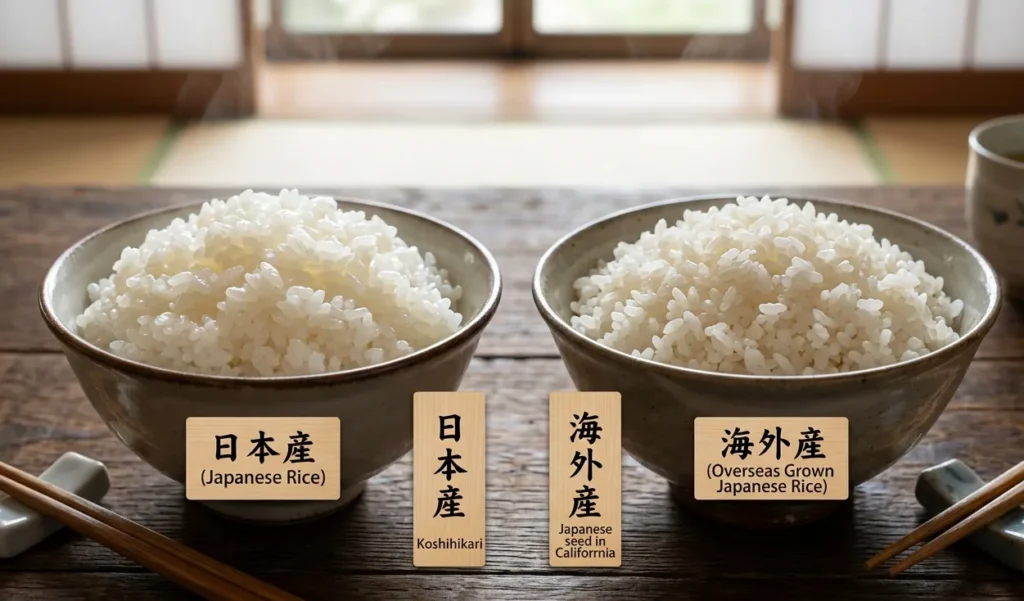
Today, Japanese rice varieties are cultivated around the world, particularly in regions like California and parts of Europe. While these products may use the same rice strains, the final result can differ significantly.
Rice Grown in Japan
Japanese rice benefits from:
Mineral-balanced soft waterDistinct seasonal temperature differencesStrict cultivation and quality control
This results in rice with:
Rich natural sweetnessRefined aromaBalanced stickiness and texture
Rice Grown Overseas
Japanese-style rice grown abroad often has:
Slightly drier textureLess pronounced sweetnessReduced stickiness
This doesn’t make it inferior—just different.
In fact, some overseas-grown rice works well for dishes where a lighter, less sticky texture is preferred.
Koshihikari: The Benchmark of Japanese Rice
Koshihikari is one of the most celebrated rice varieties in Japan and serves as the perfect reference point for understanding Japanese rice.
Characteristics:
- Rich sweetness
- Strong umami flavor
- Soft yet structured texture
- Excellent stickiness
- Delicious even when cooled
Because of this balance, Koshihikari is widely used for:
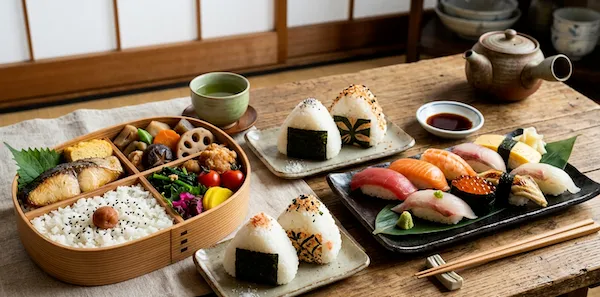
- Sushi
- Onigiri (rice balls)
- Bento boxes
- Everyday premium dining
If you are new to Japanese rice, Koshihikari is the ideal starting point.
Comparing Popular Japanese Rice Varieties
Each variety offers a slightly different eating experience. Understanding these differences helps you choose the right rice for your needs.
Yumepirika (Hokkaido)
Profile : Richi and Luxious
● Very high stickiness
● Deep sweetness
● Soft, almost creamy texture
Best for:
- Premium dining experiences
- Rich or flavorful dishes
Tsuyahime (Yamagata)
Profile : Elegant and balanced
● Beautiful glossy appearance
● Well-defined grains
● Balanced sweetness and lightness
Best for :
- Fine dining presentation
- High-end Japanese cuisine
Akitakomachi (Akita)
Profile :Light and versatile
●Slightly less sticky than Koshihikari
●Mild sweetness
●Easy to pair with various dishes
Best for :
- Everyday meals
- Balanced, lighter dishes
Nanatsuboshi (Hokkaido)
Profile : Clean and less sticky
● Lower stickiness
● Firm grain structure
● Clean, refreshing taste
Best for :
- Those who prefer less sticky rice
- International dishes or mixed cuisine
How to Choose the Right Rice
When selecting Japanese rice, consider the following:
- For sushi or traditional Japanese dishes:
→ Koshihikari - For a richer, more indulgent experience:
→ Yumepirika - For elegant presentation and balance:
→ Tsuyahime - For daily use or lighter meals:
→ Akitakomachi - For a less sticky texture:
→ Nanatsuboshi
A Final Note
Japanese rice is more than just a staple—it reflects craftsmanship, environment, and culture. Even within the same category, small differences in variety and origin can create entirely different dining experiences.
Starting with Koshihikari as a benchmark allows you to explore these nuances and discover the perfect rice for your table.